
Onsite Noise & Vibration Measurement
Structured measurements on machines, structures, ducts, operator locations and plant boundaries under defined operating conditions.
Noise · Vibration · Measurement · Mitigation
KURUKONDAR supports industrial machinery and plants with onsite sound and vibration measurement, structured NVH testing, source diagnosis, vibro-acoustic modelling and buildable noise-control design.
Discuss this scope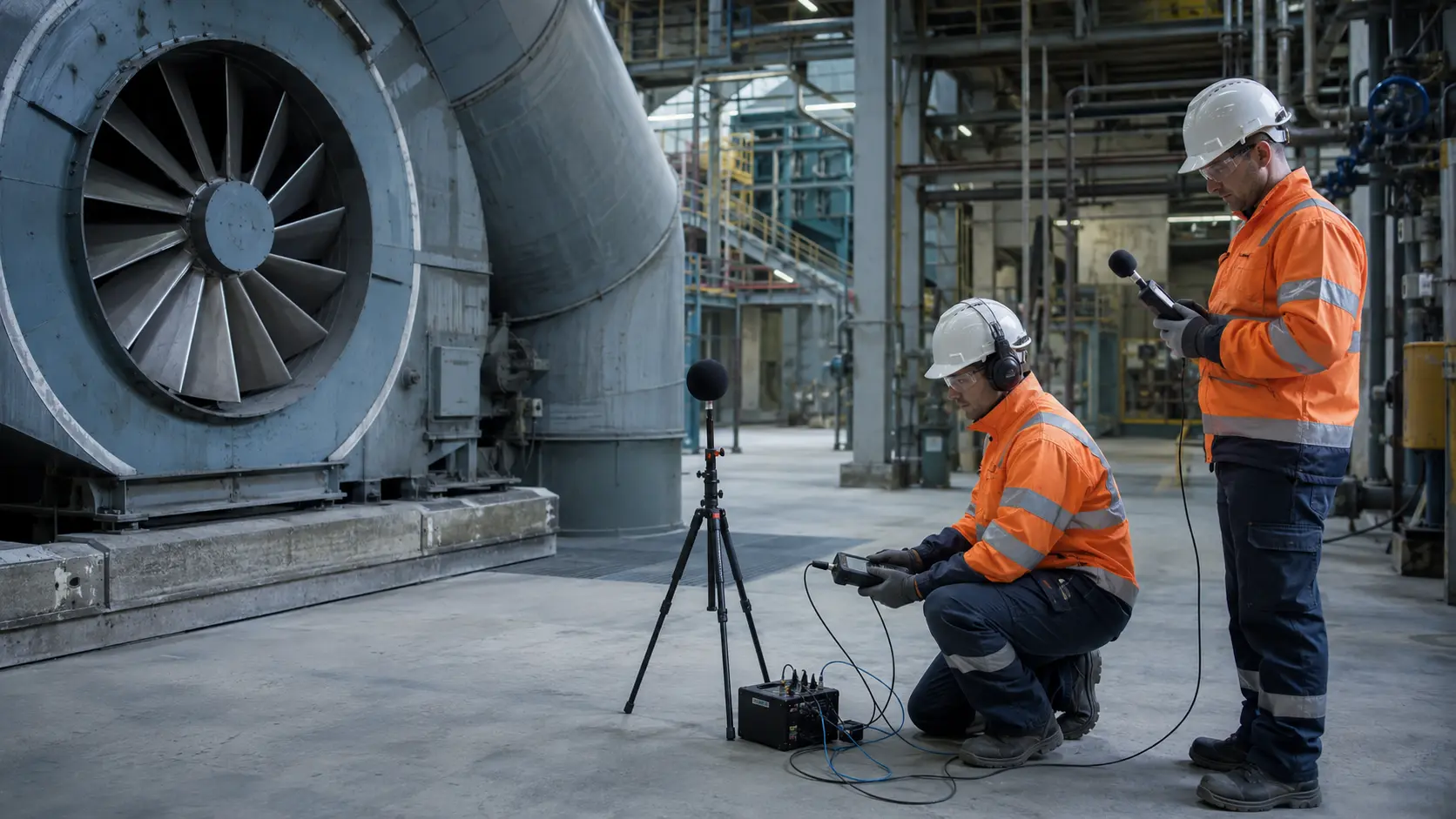
The engineering requirement
Industrial noise and vibration problems are rarely isolated. Excitation from a gear mesh, fan, motor, impact, flow disturbance or structural resonance can travel through mounts, frames, ducts and foundations before it becomes airborne noise or unacceptable vibration somewhere else. Treating the loudest visible component without proving the source and transmission path often wastes time and money.
KURUKONDAR combines design engineering with measurement and analysis. We define the operating conditions, instrument the relevant locations, correlate sound and vibration data, identify dominant orders, frequencies and structural behaviour, and translate the findings into design changes that can be manufactured and installed. The scope can begin in concept development or directly onsite at a running machine or plant.
Scope of work
Defined engineering outputs with the level of detail matched to concept, tender, fabrication or site execution.
Structured measurements on machines, structures, ducts, operator locations and plant boundaries under defined operating conditions.
Frequency, order and time-domain analysis to identify dominant acoustic sources and operating conditions.
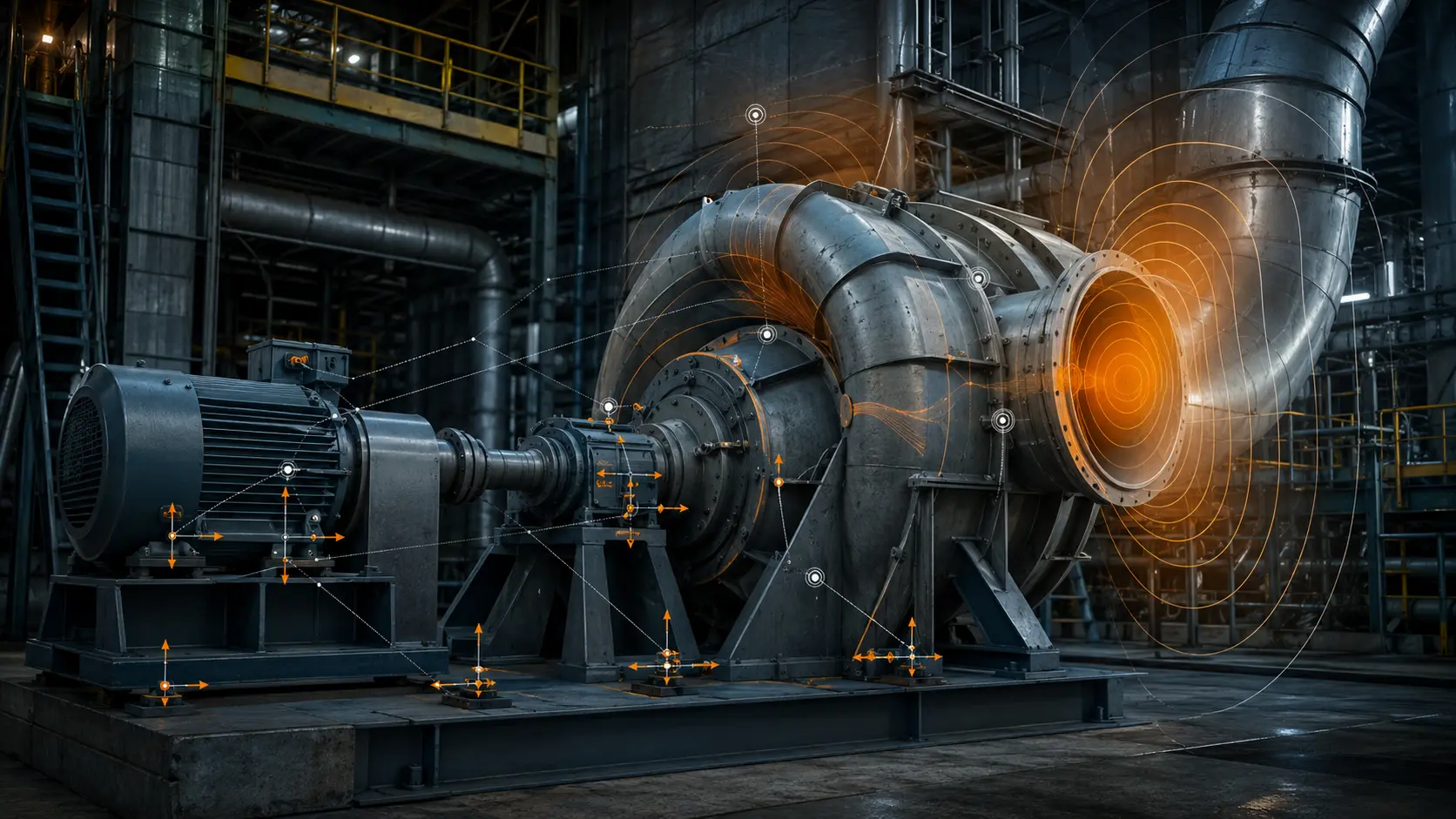
Assessment of resonances, operational vibration shapes, transfer behaviour and force paths through supports and structures.
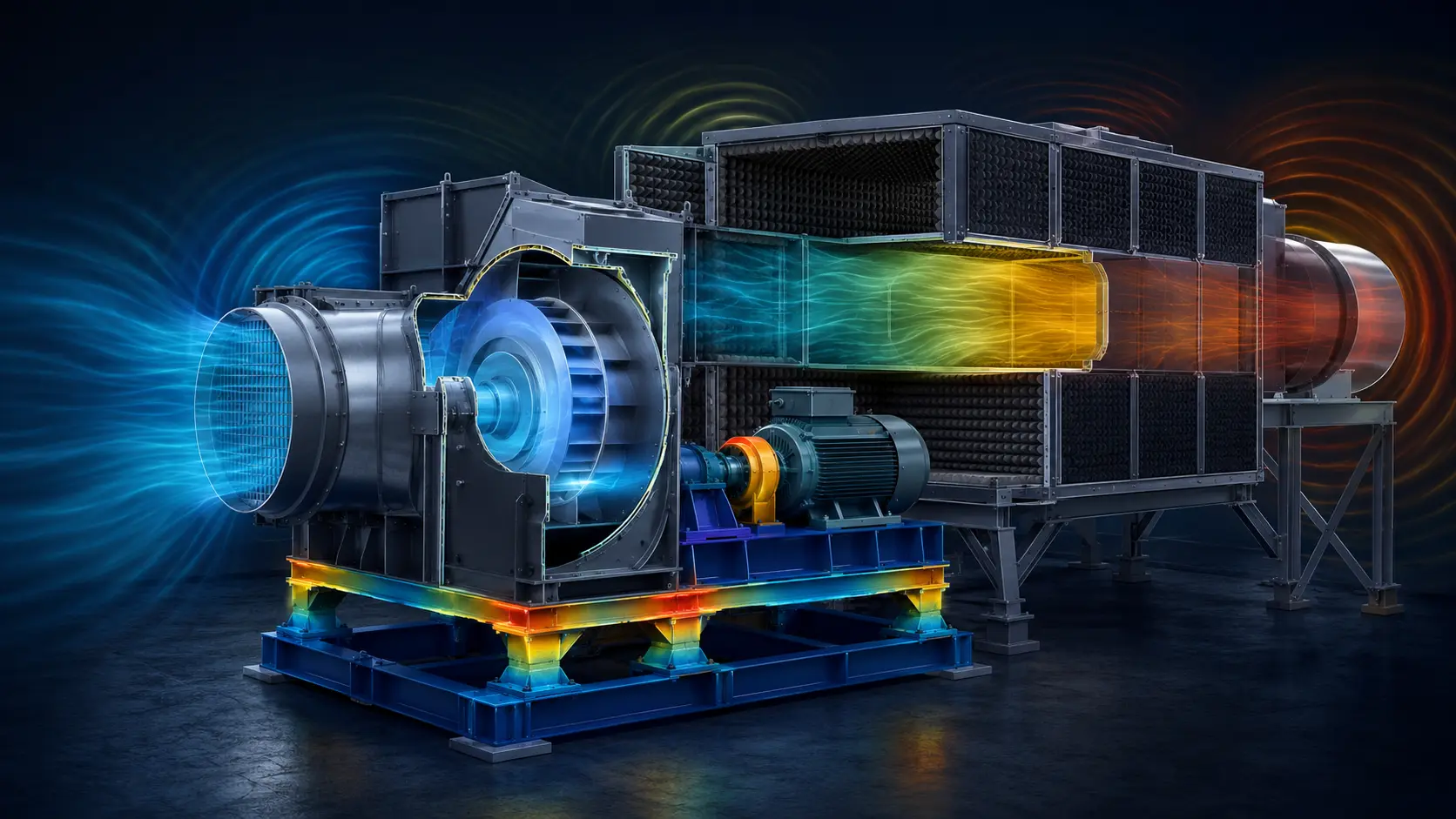
FEA-based vibration and acoustic modelling used to compare design variants and target sensitive frequency ranges before modification.
Design of enclosures, barriers, silencers, absorbers, damping treatments and source modifications around access, cooling and maintenance needs.
Selection and integration of resilient mounts, inertia, stiffness changes and support modifications to interrupt structure-borne transmission.
Engineering in context
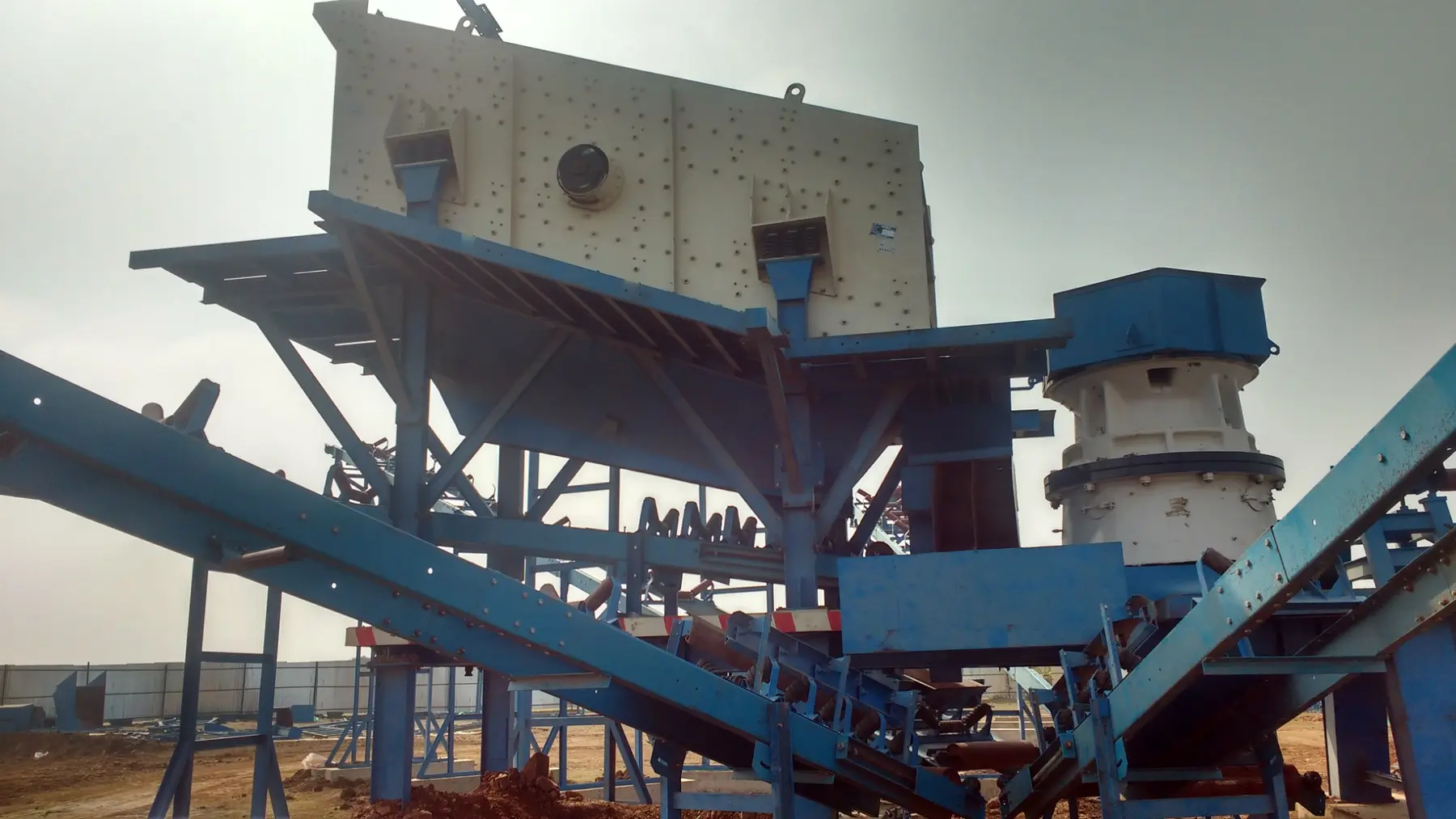
Purpose-specific visuals connect the digital model and analysis to the equipment, interfaces and site conditions they must represent.

Engineering output
Models and reports are structured for coordination, review and controlled handover—not isolated analysis.
Working method
Each stage closes a specific risk before the project moves forward.
Capture sound, vibration, speed and process conditions at locations chosen to separate likely sources and paths.
Correlate spectra, orders, transients and operating states to identify the dominant contributors.
Use structural, acoustic or transmission-path models where they close a design uncertainty.
Compare buildable source, path and receiver treatments around access, cooling and maintenance.
Repeat controlled measurements after implementation and document the achieved improvement.
Applications
Frequently asked questions
Yes. The measurement plan is defined around the machine, process condition and decision to be made. Sound, vibration, rotational speed and operating data can be correlated so the result is more than a single level reading.
Yes, provided the channels, sensor locations, calibration, sampling, operating states and data quality are documented well enough to support the intended analysis. Gaps are identified before conclusions are drawn.
Both. The preferred output is an implementable engineering change—such as a stiffness modification, isolation concept, damping treatment, enclosure, silencer or source modification—with the constraints and verification method defined.
No. Compliance depends on the applicable standard, operating condition, measurement method, uncertainty and—where required—the status of the testing body. These requirements must be agreed before the test programme begins.
Project review
Send the available inputs. We will identify what can be delivered, what is still missing and the practical next step.
[email protected] ↗Schaltstation 1